
If you're a small business owner in the UK, the phrase "self assessment tax return" probably sends a shiver down your spine. You're not alone. Every January, thousands of business owners across the country scramble to meet the deadline, drowning in receipts, spreadsheets, and confusion about what they can actually claim.
The truth is, self assessment doesn't have to be the annual nightmare most people make it out to be. With the right knowledge (and support), you can tackle your tax return with confidence and avoid those painful HMRC penalties.
Self assessment is HMRC's system for collecting income tax. Unlike employees who have tax automatically deducted from their wages through PAYE, if you're self-employed or run your own business, you need to report your income and calculate your tax bill yourself.
Think of it as showing your financial homework to HMRC once a year. You're telling them what you earned, what you spent on your business, and working out how much tax you owe based on those figures.
You'll need to complete a self assessment if you:
Even if HMRC hasn't sent you a reminder, it's your responsibility to register and file if any of these apply to you. Claiming ignorance won't save you from penalties.
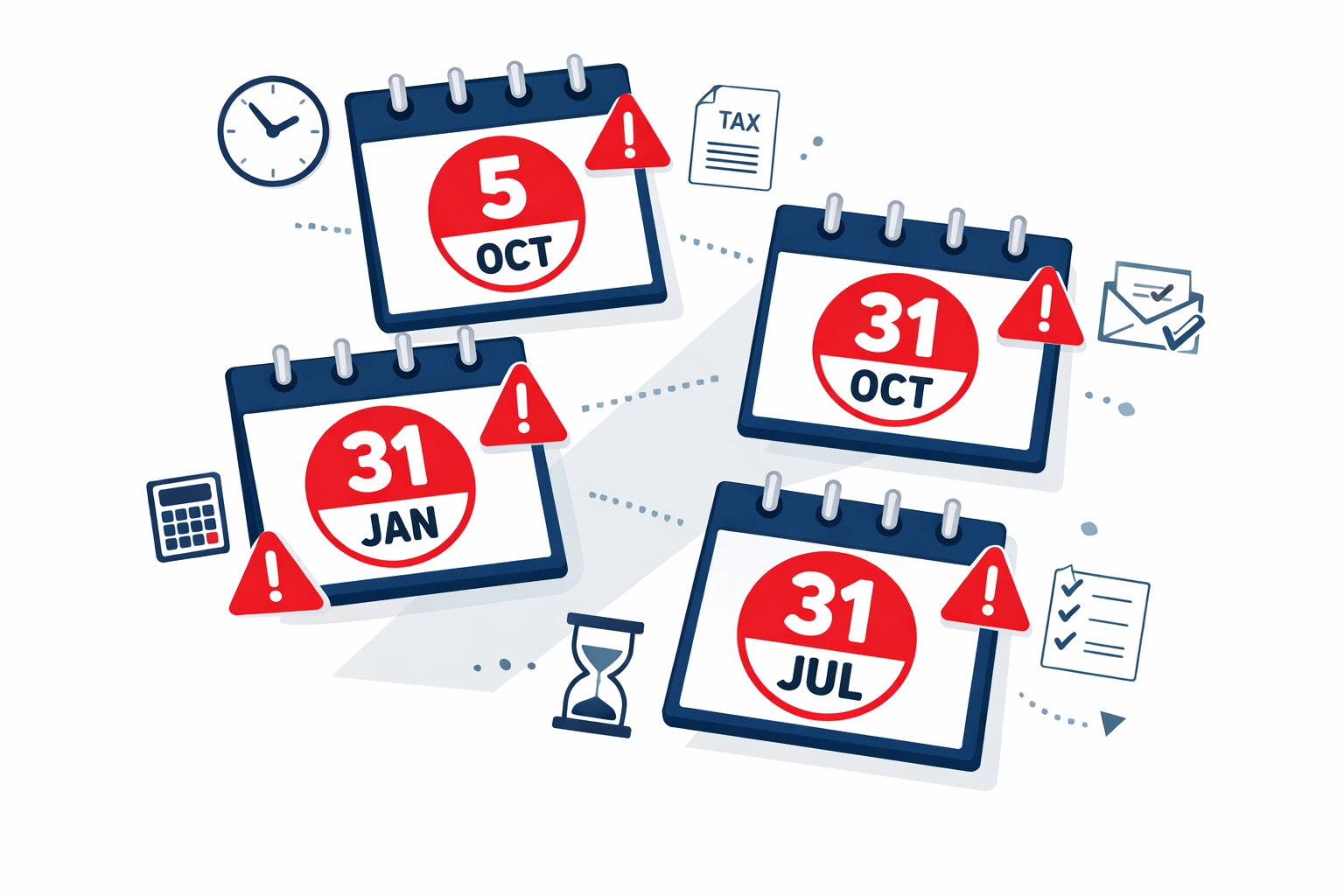
Missing a self assessment deadline is expensive. Here's what you need to know:
5 October – This is your deadline to register for self assessment if you're filing for the first time. If you started self-employment during the previous tax year (which runs 6 April to 5 April), you must register by this date.
31 October – The deadline for paper tax returns. Let's be honest, almost nobody files on paper anymore, but if you're particularly fond of forms and postage, this is your cut-off.
31 January – This is the big one. Your online self assessment must be submitted by midnight, and any tax owed for the previous tax year must be paid in full. This is also when your first payment on account for the current tax year is due (if applicable).
31 July – Your second payment on account is due. These are advance payments toward next year's tax bill, based on your previous year's liability.
HMRC doesn't mess about with late filing. Here's what happens:
Late payment of tax owed attracts interest charges and additional penalties. It gets expensive quickly.
After working with hundreds of small business owners at Titus Accounts, we've noticed the same challenges come up repeatedly:
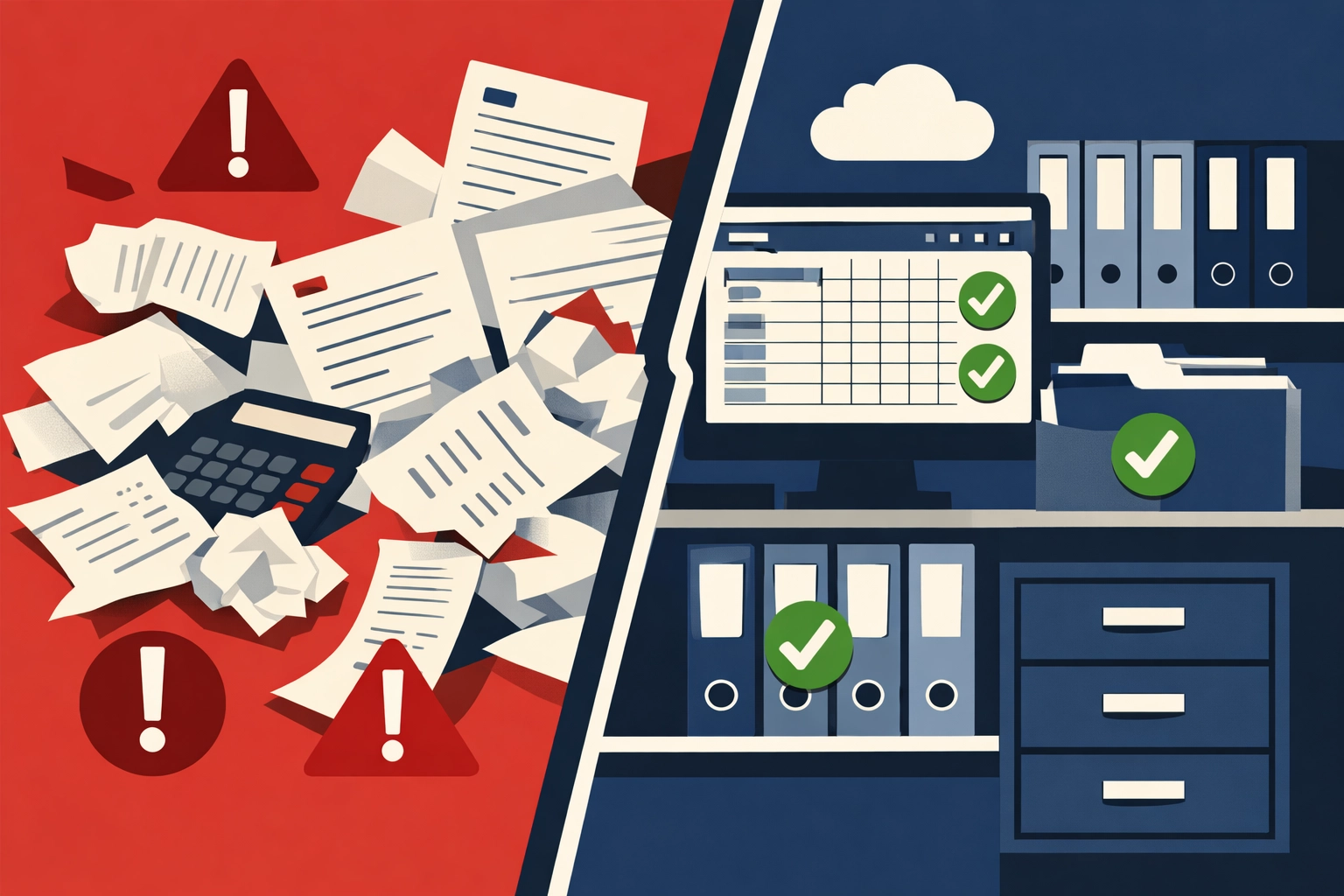
Poor record-keeping throughout the year. Many business owners stuff receipts in a drawer and hope for the best. Come January, they're trying to piece together 12 months of transactions from faded receipts and vague bank statements.
Not knowing what expenses they can claim. Business owners either claim too little (and overpay tax) or claim personal expenses they shouldn't (risking penalties during an investigation).
Confusion about payments on account. The system of paying tax in advance catches many people off guard. They budget for one tax bill and suddenly face demands for double that amount.
Mixing personal and business finances. Using the same bank account for business income and personal spending creates a reconciliation nightmare.
Underestimating the time required. Assuming you can knock out your tax return in an evening is optimistic at best. For most business owners, it takes several frustrating days.
Here's something most small business owners don't realize: the fee you pay a professional tax advisor is tax-deductible. You're not just buying convenience; you're investing in accuracy, peace of mind, and often significant tax savings.
You'll claim everything you're entitled to. Professional accountants know the ins and outs of tax legislation. They'll identify allowable expenses you might have missed and ensure you're claiming the correct capital allowances.
You'll avoid costly mistakes. One incorrect figure or missed deadline can result in penalties worth far more than an accountant's fee. HMRC investigations triggered by errors are stressful, time-consuming, and expensive.
You'll save hours of your time. Your time has value. The hours you'd spend wrestling with tax software and guidance notes could be spent earning money or developing your business.
You'll get proactive advice. A good accountant doesn't just file your return; they advise you on tax planning throughout the year, helping you structure your finances to minimize future tax bills legally.
You'll have someone in your corner if HMRC comes knocking. Should you face an enquiry or investigation, having professional representation is invaluable.
At Titus Accounts, we've built our reputation on making tax comprehensible. We don't hide behind complicated terminology or make you feel silly for asking questions.
Our approach is straightforward:
We speak in plain English. No tax jargon, no confusing acronyms, no assuming you understand technical terms. If we need to use a technical term, we explain what it actually means.
We're proactive, not reactive. Rather than just filing your return at the last minute, we work with you throughout the year to ensure your record-keeping is solid and you're making tax-efficient decisions.
We provide fixed fees, not surprises. You'll know exactly what our services cost before we start. No unexpected bills, no hidden charges.
We're accessible. Got a quick tax question? We're here. Need to understand why your tax bill is higher than expected? We'll walk you through it step by step.

If you're determined to handle your tax return yourself, at least make it easier:
Start keeping digital records now. Apps like Xero or QuickBooks make tracking income and expenses simple. We offer support for both as Xero and QuickBooks specialists.
Separate your business and personal finances completely. Open a dedicated business bank account.
Save regularly for your tax bill. Put aside roughly 25-30% of your profits each month so you're not scrambling to find thousands of pounds in January.
Don't wait until January 30th. File early, and you'll have breathing room if something goes wrong.
Self assessment doesn't have to be an annual source of dread. With the right systems in place and professional support when you need it, you can approach tax season with confidence rather than panic.
If you're tired of the stress, the uncertainty, and the nagging worry that you've missed something important, it's time to talk to a professional. At Titus Accounts, we remove the complexity from tax returns and give you back your time to focus on what you do best: running your business.
Get in touch with our team at Titus Accounts today. Let's make your next self assessment the easiest one yet.
Speak to a Professional Accountant...
Rachel Reeves’ 21 May 2026 statement...


February 6, 2026