

VAT returns can feel like a necessary evil for UK business owners. Miss a detail, apply the wrong rate, or submit late, and you're facing penalties, compliance headaches, and unnecessary stress. The good news? Most VAT mistakes are entirely avoidable once you know what to look for.
Whether you're running a growing e-commerce business, managing a consultancy, or operating as a sole trader, getting VAT right matters. HMRC expects accuracy, and Making Tax Digital (MTD) has raised the bar even higher. Let's walk through seven common VAT return mistakes: and exactly how to fix them.
This one's the classic. HMRC requires VAT-registered businesses to file returns quarterly, with payment due within one month and seven days of the period end. Miss the deadline, and you'll face an automatic £400 penalty for a single late submission. It gets worse if it becomes a pattern.
How to fix it:
Set calendar reminders at least two weeks before each deadline. Better yet, build VAT preparation into your monthly bookkeeping routine so you're not scrambling at the last minute. If you're using accounting software, enable automatic deadline notifications.
The reality is that VAT deadlines don't move, but your cash flow and workload will fluctuate. Plan ahead, and if you genuinely can't meet a deadline due to exceptional circumstances, contact HMRC immediately: they may offer a payment plan or extension.
Not all goods and services are taxed the same way. The UK has three main VAT rates: the standard rate (20%), the reduced rate (5%) for things like home energy and children's car seats, and the zero rate (0%) for essentials like most food and children's clothing.
Applying the wrong rate is surprisingly common, especially for businesses selling multiple product types or operating in sectors with mixed-rate items. Charge too much VAT, and you owe customers a refund. Charge too little, and you'll need to recover the shortfall and pay HMRC the difference: potentially with penalties.
How to fix it:
Review HMRC's VAT rates guidance to confirm which rate applies to your specific goods or services. Configure your accounting software to automatically apply the correct rate for each product or service line. If you discover past errors, correct them immediately and inform affected customers where necessary.
Here's a mistake that flies under the radar: recording a VAT-applicable sale or purchase without actually selecting a tax rate in your system. The transaction appears in your accounts, but it won't show up on your VAT return. The result? You're underreporting output VAT or missing out on input VAT you're entitled to reclaim.
This typically happens when manually entering invoices, expenses, or credit notes, and forgetting to tick the VAT rate dropdown.
How to fix it:
Make it a habit to always select a tax rate when creating any transaction: no exceptions. Set default tax rates on your products and services so your accounting software applies them automatically. Regularly review your General Ledger for VAT accounts and flag any manual entries that don't have an associated tax rate.

Since April 2022, all VAT-registered businesses must use MTD-compatible software to keep digital records and submit returns. Relying on spreadsheets, paper receipts, or incomplete documentation no longer cuts it: and it's a quick route to compliance issues during an HMRC audit.
Missing purchase invoices mean you can't substantiate VAT reclaims. Incomplete sales records create gaps in your audit trail. Misplaced fuel receipts prevent you from claiming mileage-related VAT.
How to fix it:
Switch to MTD-compliant accounting software if you haven't already. Keep digital copies of all sales and purchase invoices, receipts, and supporting documents. Reconcile your books weekly to catch errors while they're still fresh. Store records for at least six years, as HMRC can investigate returns going back that far.
The VAT services we offer at Titus Accounts include full MTD compliance support, ensuring your records are audit-ready and your submissions are accurate every time.
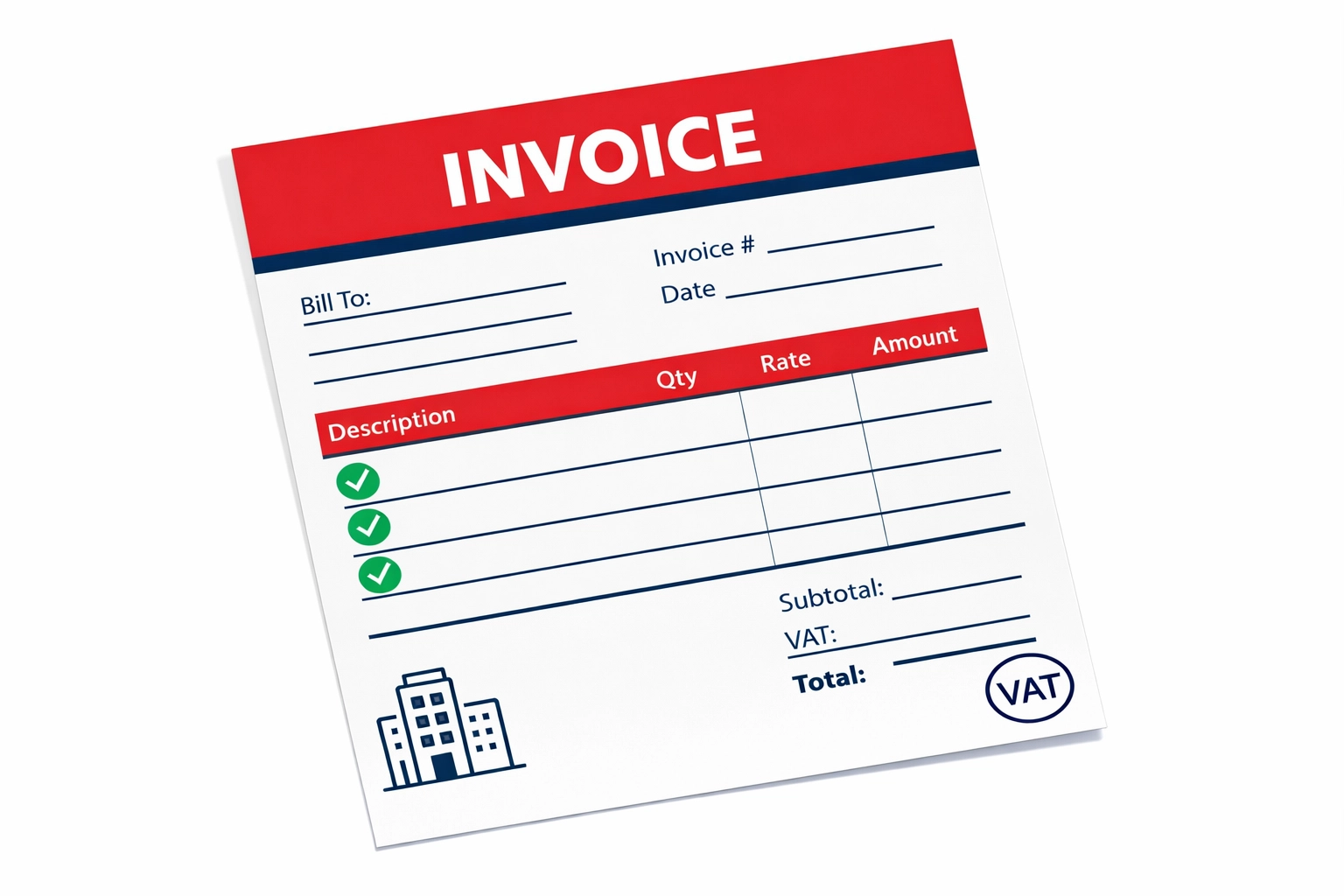
A VAT invoice isn't just a payment request: it's a legal document. For your customers to reclaim VAT on their purchases (and for you to substantiate your sales), every invoice must include specific details: a unique invoice number, your business name and address, VAT registration number, the customer's name and address, the date, a description of goods or services, the VAT rate applied, and a clear breakdown of VAT charged.
Missing even one of these elements can invalidate the invoice for VAT purposes.
How to fix it:
Create a checklist of required invoice fields and verify every invoice before sending. Use accounting software that automatically generates compliant invoices with all necessary details pre-filled. Regularly audit your invoicing process to spot formatting inconsistencies or missing information.
Not every business expense qualifies for VAT reclaim. Client entertainment, most employee benefits, and personal use of business assets are all off-limits. Yet many business owners mistakenly claim VAT on these items, which can trigger penalties during an HMRC review.
Even legitimate business purchases sometimes have VAT limitations. For example, you can only reclaim 50% of VAT on car leases unless the vehicle is used exclusively for business.
How to fix it:
Familiarise yourself with HMRC's rules on what qualifies as input VAT. When in doubt, check before you claim. Keep detailed notes on business vs. personal use for mixed-purpose expenses. If you've already claimed VAT incorrectly, voluntarily correct the error on your next return to avoid penalties.
While some businesses claim too much, others leave money on the table by not reclaiming VAT they're legitimately owed. This often happens with:
Thousands of pounds can go unclaimed simply because business owners don't realise what qualifies or don't have the systems in place to track it.
How to fix it:
Review your expenses monthly and flag anything that might qualify for VAT reclaim. Keep fuel receipts if you're claiming mileage. Work with an accountant who understands the nuances of VAT rules and can spot reclaim opportunities you might miss.
VAT compliance doesn't have to be complicated, but it does require attention to detail, accurate record-keeping, and a clear understanding of HMRC's rules. The mistakes we've covered: missed deadlines, wrong rates, poor documentation, and claiming errors: account for the majority of VAT penalties UK businesses face.
The fix? Invest in proper systems, stay on top of your bookkeeping, and don't hesitate to bring in expert support when you need it.
At Titus Accounts, we specialise in helping UK businesses stay VAT-compliant without the stress. From MTD setup and quarterly return preparation to full VAT advisory services, we'll make sure you're never caught out by avoidable mistakes. Get in touch with our team today and let us handle the details while you focus on growing your business.
VAT returns can feel like a necessary evil for UK business owners. Miss a detail, apply the wrong rate, or submit late, and you're facing...
Choosing accounting software for your...
February 11, 2026